

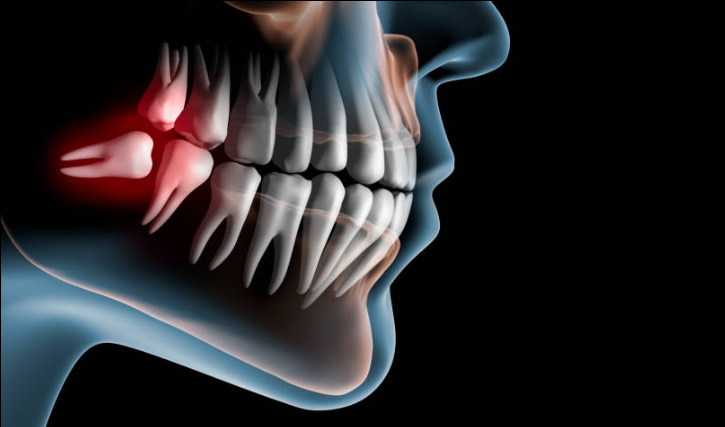
Firstly, what are wisdom teeth? Wisdom teeth are the final set of molars that typically emerge in your late teens or early twenties. They are the 3rd “big molars” located at the very back of your mouth. There are usually 4 in total, one in each quadrant. Some people are born without wisdom teeth or are missing 1 or more. Wisdom teeth were useful for our ancestors who had tougher diets, but today, our jaws are often too small to accommodate them comfortably.
While some people experience no issues at all, for many, wisdom teeth can lead to discomfort, crowding, or infection if they don’t develop properly. Understanding when and why wisdom teeth may need attention is key to maintaining long-term oral health.
Fun fact: Wisdom teeth are called “wisdom” teeth because of when they usually erupt. Ages 17 to 25 is a period historically considered the age of maturity or becoming “wise”. It is also known as third molars. They come through much later than other permanent teeth, signalling the transition into adulthood.
Common Problems with Wisdom Teeth
Not all wisdom teeth cause problems, but when they do, it’s often due to a lack of space or improper positioning. Some of the most common issues include:
- Impaction: When a wisdom tooth is trapped under the gum or bone
- Crowding: Pushing against neighbouring teeth, affecting alignment
- Infection: Partially erupted teeth can trap food and bacteria
- Pain and swelling: Often a sign of inflammation or infection
If left untreated, these issues can lead to more serious complications such as gum disease or damage to adjacent teeth.
Signs You May Need a Wisdom Tooth Assessment
You may benefit from an assessment if you notice:
- Persistent pain at the back of your mouth
- Swollen or bleeding gums
- Jaw stiffness or difficulty opening your mouth
- Bad breath or an unpleasant taste
- Frequent infections in the same area
Even if you’re not experiencing symptoms, regular dental check-ups can help detect hidden issues early.
Do All Wisdom Teeth Need to Be Removed?
Not necessarily. If your wisdom teeth are healthy, fully erupted, and easy to clean, they may not require removal. However, when they pose a risk to your oral health, extraction is often the best preventative option.
Wisdom teeth are taken with a personalised approach. Clinical examination and imaging (panoramic x-ray: OPG) will help in determining whether removal is necessary.
What to Expect During Wisdom Tooth Removal?
Wisdom tooth removal is a routine procedure that can often be performed in the dental clinic. Depending on the complexity, local anaesthesia may be used to remove the teeth in chair or you may be advised to see an Oral Surgeon.
After the procedure, you’ll be given clear aftercare instructions to support healing and minimise discomfort. Most patients recover within a few days, with full healing occurring over a couple of weeks.
Recovery Tips
To promote smooth healing after extraction:
- Rest and avoid strenuous activity for 24 – 48 hours
- Stick to soft foods initially
- Avoid smoking or using straws
- Follow all aftercare instructions carefully
- Maintain gentle oral hygiene around the area
When to Seek Advice?
If you’re unsure about your wisdom teeth or experiencing any symptoms, it’s always best to get professional advice. Early assessment can prevent more complex issues down the track.
As always, if unsure, it is best to contact us or book your appointment online to see Dr Indran, who will be able to guide you.