

When you hear the words root canal, it’s normal to feel a little uncertain. However, modern dentistry has transformed this once-feared procedure into a safe, effective, and often pain-relieving solution. At Box Hill North Dental, we’re committed to helping patients understand their options and feel confident about their oral health decisions., we’re committed to helping patients understand their options and feel confident about their oral health decisions.
If you’ve been searching for answers about root canal treatment, this guide will walk you through everything you need to know: from symptoms to benefits and what to expect during the procedure.
Let’s begin with the basics. What Is Root Canal Treatment?
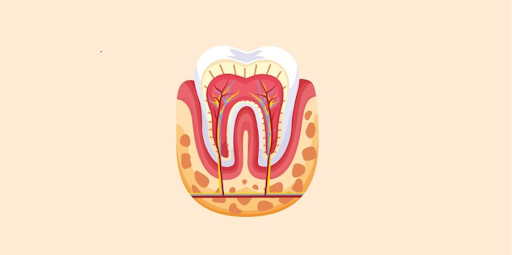
A root canal treatment is a dental procedure designed to save a tooth that has become infected or severely damaged. Inside each tooth is soft tissue called pulp, which contains nerves and blood vessels. When this pulp becomes infected due to decay, cracks, or trauma, it can lead to significant pain and swelling.
During a root canal procedure, Dr Indran removes the infected pulp, carefully cleans and disinfects the inside of the tooth, and then seals it to prevent further infection.
Signs You May Need a Root Canal
Not all tooth pain means you need a root canal, but there are some common warning signs to watch for:
- Persistent toothache or throbbing pain
- Sensitivity to hot or cold foods and drinks
- Swelling in the gums or jaw
- A darkened or discoloured tooth
- A small pimple-like bump on the gums
These symptoms may indicate an infection inside the tooth that requires prompt attention.
Why Root Canal Treatment Is Important?
Ignoring an infected tooth can lead to more serious complications. Without treatment, the infection can spread, potentially resulting in tooth loss or damage to surrounding tissue.
A root canal treatment helps to:
- Save your natural tooth
- Eliminate pain and infection
- Restore normal chewing and function
- Prevent the need for tooth extraction
Studies show that up to 90–95% of treated teeth remain functional long-term with proper care.
What Happens During the Procedure?
Many patients are surprised to learn that a root canal is similar to getting a filling in terms of comfort. The procedure typically involves:
- Examination and X-rays to assess the tooth
- Local anaesthetic to ensure a pain-free experience
- Removal of infected pulp from inside the tooth
- Cleaning and shaping of the root canals
- Sealing the tooth with a filling or crown
Depending on the complexity, treatment may be completed in one or more visits.
Does a Root Canal Hurt?
This is one of the most common questions we hear. The truth is, modern root canal treatment is designed to relieve pain and not cause it.
With today’s advanced techniques and anaesthesia, the feedback we receive from most patients is that the experience is no more uncomfortable than a routine filling. Any mild soreness afterward typically settles within a few days.
Aftercare and Recovery
After your procedure, it’s normal to experience slight sensitivity for a short time. To support healing:
- Avoid chewing on the treated tooth until fully restored
- Maintain good oral hygiene habits
- Attend follow-up appointments as recommended
Once restored with a crown or filling, your tooth can function just like any other natural tooth.
Root Canal vs Tooth Extraction
Some patients wonder whether removing the tooth is a better option. While extraction may seem more simple, it often leads to additional treatments such as implants or bridges.
A root canal treatment is usually the preferred option because it preserves your natural tooth structure and helps maintain your bite and jaw health.
Final Thoughts
A root canal treatment is one of the most effective ways to save a damaged tooth and relieve discomfort. With modern dental technology and professional care, the process is straightforward, safe, and highly successful.
If you’re in Box Hill North or surrounding areas, don’t ignore the signs, pop in for an assessment for peace of mind. Getting timely treatment can make all the difference in preserving your oral health.
As always, if unsure, it is best to contact us or book your appointment online to see Dr Indran, who will be able to guide you.